


In healthcare environments, “clean” is never just about appearances. Medical facility cleaning is a critical component of infection prevention, patient safety, and operational trust, and it requires specialized expertise beyond standard commercial cleaning.
Hospitals, clinics, and outpatient facilities face unique risks that demand trained healthcare cleaning professionals, standardized disinfection protocols, and integrated infection prevention programs. When medical cleaning is done correctly, it doesn’t just support care; it actively protects it.
With these risks in mind, how should healthcare facilities define an effective infection control program—and how can they ensure cleaning teams are trained, qualified, and consistently meeting healthcare standards?
High Stakes, High Standards
Healthcare facilities operate in high-accountability, high-risk environments, where infection control is non-negotiable. One of the most pressing concerns is healthcare-associated infections (HAIs); infections patients may acquire while receiving care.
According to the Centers for Disease Control and Prevention, approximately 1 in 31 hospital patients has at least one HAI on any given day. That statistic alone highlights how common and serious infection risks remain across U.S. healthcare settings.
Each year, HAIs account for hundreds of thousands of infections and tens of thousands of related deaths nationwide, reinforcing the need for rigorous infection prevention practices, not only in large hospitals, but in every healthcare facility, including clinics and specialty care centers.
Why Medical Cleaning Is Different
Medical facility cleaning is a specialized service. Unlike general commercial cleaning, healthcare cleaning must:
- Target pathogen control and infection prevention
- Prioritize high-touch surface disinfection
- Integrate with facility infection prevention programs
- Follow strict regulatory and documentation protocols
Medical cleaning teams must be trained in infection prevention principles, hazardous waste handling, and advanced disinfection techniques, while using hospital-grade, approved chemicals and equipment. Attention to detail is critical because in healthcare environments, small oversights can have big consequences.
Building an Effective Infection Prevention Program
An infection prevention program is only as strong as its execution. In healthcare environments, effective programs go beyond written policies. They combine people, processes, tools, and accountability to reduce risk and deliver consistent results.
At a minimum, a strong infection prevention program should include the following components:
1. Standardized Cleaning & Disinfection Protocols
Clear, documented protocols define what gets cleaned, how often, and with what products. These standards should address different risk areas, including patient rooms, exam areas, restrooms, and common spaces, and outline proper dwell times for disinfectants to be effective.
2. Trained and Qualified Cleaning Professionals
Cleaning teams must be trained specifically for healthcare environments. This includes education on infection prevention principles, bloodborne pathogen awareness, proper use of hospital-grade disinfectants, hazardous and regulated waste management, and safe cleaning practices in occupied patient care areas.
3. High-Touch Surface Identification & Frequency
An effective program clearly identifies high-touch surfaces, such as door handles, switches, counters, equipment, and check-in areas. It also establishes increased cleaning frequency for these points. High-touch surfaces are often the most common transmission pathways and require focused attention.
4. Approved Chemicals, Tools, & Equipment
Hospital-grade disinfectants, standardized tools, and appropriate equipment ensure cleaning is both effective and consistent. Using approved products and using them correctly reduces variability and supports compliance with healthcare standards.
5. Integration With Clinical Infection Control Efforts
Environmental services should not operate in a silo. Effective infection prevention programs align cleaning teams with clinical staff, safety committees, and facility leadership to ensure environmental cleaning supports broader infection control strategies.
6. Auditing, Inspections, & Quality Assurance
Routine inspections and audits verify that protocols are being followed and that cleaning outcomes meet expectations. Measurable results, documented findings, and corrective actions help maintain accountability and continuous improvement.
7. Documentation & Reporting
Clear documentation of cleaning schedules, audits, and corrective actions provides transparency and supports regulatory compliance. Reporting builds trust by demonstrating that standards are being met consistently, not just assumed.
8. Flexibility for High-Risk or Exposure Events
Healthcare environments change quickly. An effective program includes plans for terminal cleaning, exposure response, and increased disinfection during outbreaks or high-risk periods.
9. Consistency Across Shifts & Locations
Infection prevention depends on consistency. Standardized processes ensure that cleaning outcomes remain reliable across shifts, departments, and locations, regardless of who is on duty.
High-Touch Surfaces: Where Infection Prevention Is Won or Lost
High-touch surfaces are prime real estate for pathogens, making them a critical focus of infection prevention.
Door handles, light switches, countertops, check-in desks, chair arms, elevator buttons, shared medical equipment, keyboards, and restroom fixtures are touched repeatedly throughout the day. Without proper cleaning and disinfection, these surfaces can quickly become transmission points.
Effective medical cleaning programs go beyond routine sanitizing; they:
- Identify facility-specific high-touch areas
- Apply standardized disinfection protocols and dwell times
- Increase cleaning frequency in high-traffic zones
- Verify results through inspections, audits, and reporting
By focusing on these critical touchpoints, medical cleaning teams help interrupt infection pathways, supporting safer environments for patients, staff, and visitors alike.
The Value of a Comprehensive Infection Control Program
An established Environmental Services (EVS) or Infection Control Program delivers value far beyond daily cleaning tasks.
Safer Facilities & Infection Control – A structured EVS program helps reduce HAI risk by ensuring cleaning and disinfection are consistent, standardized, and documented. When EVS is fully integrated into infection prevention efforts, it supports clinical teams by lowering transmission risks and reinforcing safety protocols.
Improved Patient & Visitor Experience – Cleanliness directly influences how patients and visitors perceive quality of care. Patient rooms, waiting areas, restrooms, and common spaces that are visibly clean build confidence and comfort.
Quality Assurance & Accountability – Standardized tools, processes, and reporting lead to predictable, measurable results. Routine audits and transparent reporting help healthcare facilities maintain confidence in their cleaning programs, especially in environments where cleanliness is prioritized along with care.
Compliance & Risk Management – Proper medical cleaning supports regulatory compliance and reduces liability risks. From hazardous waste management to documented cleaning schedules and audits, trained teams help facilities meet required standards while maintaining operational integrity.
MSNW’s Approach to Medical Facility Cleaning
At MSNW, we understand the demands of healthcare environments and deliver cleaning programs designed to meet them:
-
- Clinic walkthroughs and detailed site assessments
- Trained management teams and dedicated healthcare cleaning staff
- Clearly defined standard operating procedures
- Routine audits, inspections, and quality reporting
- Infection-prevention and high-touch focused cleaning
- Reliable service for facilities operating 24/7
- Clear communication and rapid response
Our teams are trained in healthcare cleaning protocols, equipped with hospital-grade products, and experienced in supporting high-traffic medical facilities. From terminal cleaning to non-acute care environments, MSNW delivers consistent, accountable service healthcare organizations can rely on.
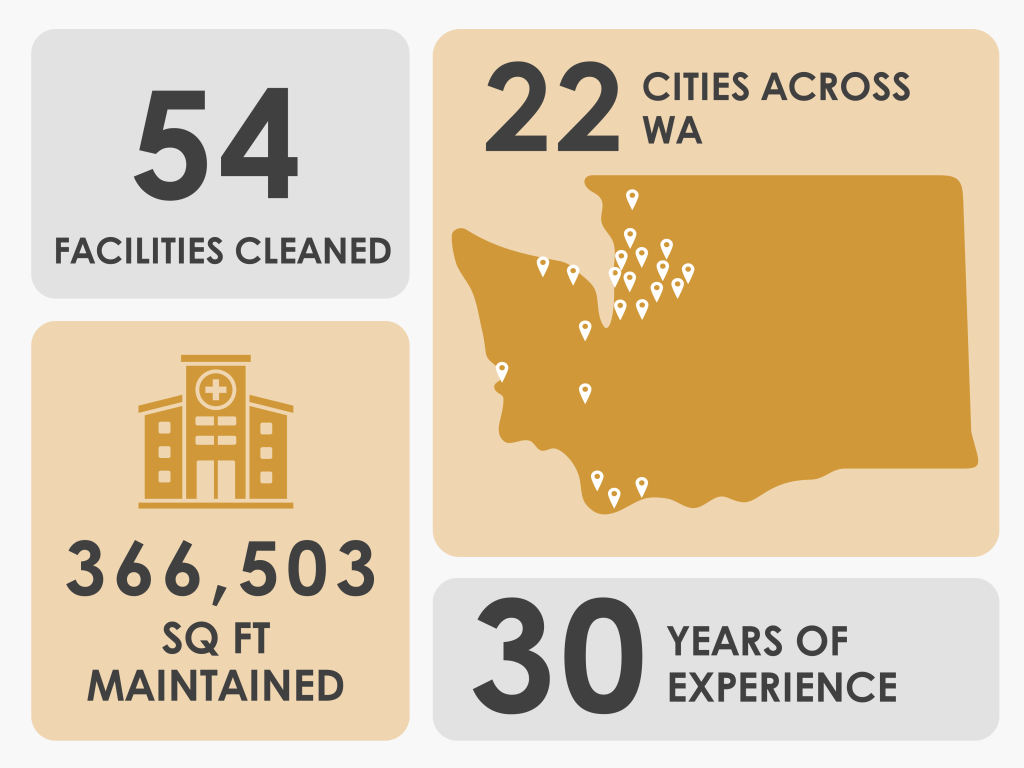
Our services are built around consistency, accountability, and safety, and include:
Healthcare & Clinic Cleaning – Routine cleaning and disinfection for medical offices, outpatient clinics, specialty practices, and non-acute care facilities. Services are tailored to each site’s layout, patient volume, and risk level.
High-Touch Surface Disinfection – Focused cleaning of critical contact points such as door handles, exam tables, counters, check-in desks, chair arms, switches, shared equipment, and restrooms, using standardized protocols and approved disinfectants.
Terminal Cleaning – Thorough, top-to-bottom cleaning and disinfection of patient rooms, treatment areas, and clinical spaces following patient discharge, procedures, or exposure events.
Restroom & Common Area Sanitation – Enhanced cleaning of restrooms, waiting rooms, break areas, and public-facing spaces to support patient comfort, staff safety, and facility reputation.
Hazardous & Regulated Waste Support – Cleaning teams trained to work safely around regulated medical waste areas and follow proper handling and sanitation procedures in compliance with facility policies.
Quality Assurance & Site Audits – Routine inspections, audits, and reporting to verify performance, maintain standards, and provide transparency—because in healthcare, trust is built on proof.
24/7 & High-Accountability Environments – Reliable service for facilities operating around the clock, with clear communication, rapid response, and trained teams familiar with sensitive, high-traffic healthcare spaces.
By combining trained staff, hospital-grade products, standardized processes, and measurable quality controls, MSNW supports healthcare facilities in maintaining cleaner, safer environments, day in and day out.
Infection Prevention Starts With a Partner You Can Trust
Medical facility cleaning is more than a routine service. It’s a core part of a healthcare organization’s commitment to safety, quality, and community trust. With standardized processes, trained professionals, and transparent quality programs, cleaning partners like MSNW help facilities maintain safer environments every day.
If your facility needs a cleaning partner who understands infection prevention, regulatory compliance, and high-accountability healthcare environments, MSNW is ready to help.